Lorem ipsum dolor sit amet, consetetur sadipscing elitr, sed diam nonumy eirmod tempor invidunt ut...
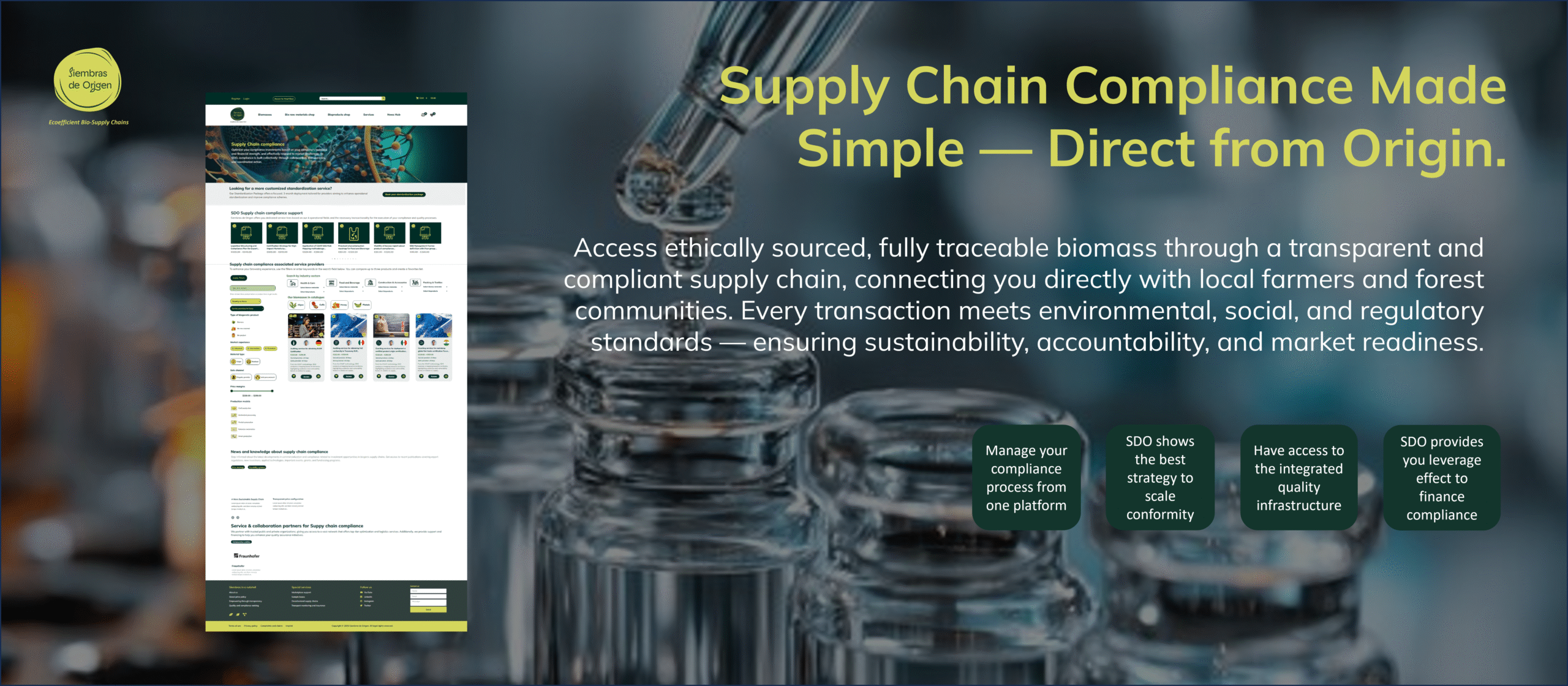
SDO’s Training and Knowledge Management system provides comprehensive support, including instructional guidance and operational assistance for all platform-related activities.
In the evolving landscape of bio-based materials and sustainable commodities, the role of a well-structured, transparent, and compliant supply chain cannot be overstated. For platforms like Siembras de Origen , which connect biomass producers, processors, and buyers from diverse sectors, the supply chain is not only a logistical necessity but also a strategic enabler of growth, trust, and sustainability.
Here’s how a robust supply chain framework enhances biostock trading:
Supply chain compliance refers to the alignment of all stages of production, sourcing, logistics, and distribution with regulatory, environmental, and ethical standards. In the context of biostock trading — where raw materials often come from agricultural residues, forestry, or organic waste — ensuring compliance is essential for accessing global markets that demand certified sustainable inputs.
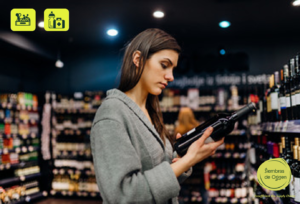 On a unified trading platform like Siembras de Origen , compliance becomes a shared value across the entire chain. From verifying the legality of biomass harvesting to confirming traceability and fair labor practices, a compliant supply chain opens doors to premium buyers, green certifications (like FSC, RSB, or ISCC), and participation in carbon credit programs. This synergy between compliance and supply chain operations transforms regulatory requirements into business opportunities.
A truly integrated supply chain provides end-to-end visibility — from field to factory — allowing stakeholders to monitor every phase of the product lifecycle. This 360-degree efficiency ensures that biomass suppliers can better plan harvest cycles, traders can manage inventory flows, and buyers can forecast availability with greater accuracy.
By leveraging digital tools and real-time data tracking, platforms like Siembras de Origen enable seamless coordination between actors, reducing bottlenecks, minimizing waste, and improving response times to market fluctuations. Whether it’s optimizing storage conditions for perishable biomass or aligning delivery schedules with processing plant capacities, this holistic view of the supply chain leads to smarter decisions and smoother operations.
T ransparency builds trust, and collaboration drives innovation. A modern supply chain thrives when all participants — including smallholder farmers, cooperatives, logistics providers, and industrial buyers — work together with open communication and shared goals.
Platforms like Siembras de Origen facilitate this by offering features such as blockchain-backed traceability, supplier ratings, and direct messaging systems. These tools allow users to verify the origin of biomass, ensure fair trade practices, and build long-term partnerships based on mutual accountability.
Moreover, transparency empowers communities by giving them visibility in the global market. Farmers gain recognition for their sustainable practices, while buyers benefit from reliable, high-quality feedstock sources. This collaborative ecosystem fosters inclusive growth and ensures that the benefits of biostock trading reach even the most remote regions.
One of the biggest challenges in biomass trading is managing costs without compromising quality or sustainability. The physical nature of biomass — its bulkiness, seasonality, and regional variability — makes transportation, storage, and handling expensive if not properly planned.
A smartly designed supply chain addresses these challenges through intelligent optimizations. By aggregating regional biomass supplies, planning efficient transport routes, and using predictive analytics for demand forecasting, platforms like Siembras de Origen help reduce operational overheads.
Additionally, integrated payment systems, dynamic pricing models, and access to financing options within the platform allow both suppliers and buyers to manage cash flow more effectively. These cost-saving mechanisms make sustainable biomass more competitive in price and performance, encouraging wider adoption across industries such as bioenergy, bioplastics, and biochemicals.
In today’s bioeconomy, where sustainability and scalability must go hand in hand, a resilient, transparent, and compliant supply chain is no longer optional — it’s the foundation of successful biostock trading. With a one-stop-shop approach, Siembras de Origen offers a powerful infrastructure that supports every link in the chain, from rural producers to global manufacturers.
By embedding compliance, enhancing efficiency, fostering collaboration, and enabling smart cost management, the platform doesn’t just facilitate trade — it catalyzes transformation.
In today’s rapidly evolving global market, supply chain compliance has emerged as a critical component of responsible and sustainable business operations—particularly within the growing bioeconomy. As industries shift toward renewable biological resources to produce energy, chemicals, materials, and food, the ethical and legal dimensions of sourcing and production become increasingly complex.
Supply chain compliance refers to the adherence to laws, regulations, and standards governing labor rights, environmental protection, product safety, and trade practices across all stages of production. In the bioeconomy, where raw materials often come from agriculture, forestry, or marine ecosystems, compliance ensures that these inputs are sourced responsibly and sustainably. It also helps companies avoid legal penalties, reputational harm, and operational disruptions caused by non-compliant practices.
A well-managed, compliant supply chain presents numerous opportunities for growth and innovation in the bioeconomy. By ensuring traceability and transparency, companies can access premium markets that prioritize sustainability, such as eco-certified products or carbon-conscious consumers. Compliance also fosters trust among stakeholders—including investors, regulators, and local communities—enabling long-term partnerships and collaborative development. Furthermore, it supports research and development by promoting stable and ethical access to biological resources, which is crucial for innovation in biotechnology and circular economy models.
Beyond legal requirements lies a deeper moral responsibility. A truly effective compliance strategy must be guided by ethical principles that go beyond minimum standards. This includes respecting indigenous rights, protecting biodiversity, reducing environmental footprints, and ensuring fair labor conditions throughout the supply chain. Such a moral roadmap not only aligns with global sustainability goals like the UN Sustainable Development Goals (SDGs) but also strengthens brand integrity and consumer loyalty.
To harness the full potential of the bioeconomy, businesses must embed compliance and ethics into their core strategies. This involves continuous monitoring, stakeholder engagement, and investment in technologies that enhance traceability and accountability. It also requires collaboration across sectors and borders to establish common standards and share best practices. Ultimately, the future of the bioeconomy depends on a shared commitment to responsible sourcing, equitable benefit-sharing, and ecological resilienc


 English
  Spanish